How to Create a Calm, Layered Living Room
A calm living room is not necessarily a minimal one. It can feel warm and individual while still giving the eye places to rest. The key is to build the room in considered layers: start with a simple foundation, then introduce texture, light and personal details without making every element compete for attention.
Begin with a quiet foundation
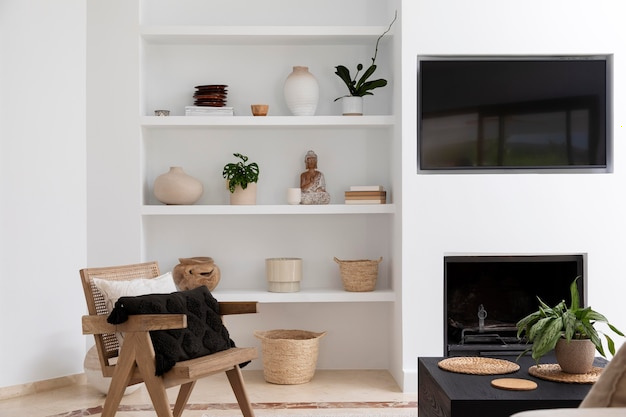
Choose a small group of colours to guide the room. Soft neutrals, muted greens, gentle blues and warm earth tones can work well together, but the best palette is one that feels comfortable in your home. Consider the fixed elements first, such as flooring, a fireplace or large pieces of furniture, then select wall and textile colours that sit naturally alongside them.
A calm scheme does not have to be entirely pale. Deeper shades can add a sense of depth when used selectively on a wall, a sofa or an accent chair. Repeating a colour in several parts of the room helps the scheme feel connected rather than piecemeal.
Layer texture, not clutter
Texture gives a restrained palette richness. Combine materials with different surfaces, such as linen, wool, wood, ceramic and woven fibres. A rug can soften the floor and help define the seating area; cushions and throws can add comfort and variation.
Aim for contrast in texture while keeping patterns in balance. If a rug has a strong design, choose quieter textiles around it. If most of the room is plain, a patterned cushion or piece of artwork can provide a focal point. Repeating a pattern or material in a few places can help it feel intentional.
Plan the layout around everyday use
Before adding accessories, consider how the room needs to work. Arrange seating to support conversation, reading or relaxing, and make sure there is a comfortable route through the space. In a smaller room, furniture with a lighter visual profile can help preserve a sense of openness. In a larger room, a rug or a pair of chairs can bring the seating area together.
Leave some surfaces clear. A side table needs to be useful, but it does not need to hold every decorative object you own. Select a few items with meaning or visual interest, and allow them enough space to be noticed.
Use more than one source of light
A single overhead light can make a living room feel flat, especially in the evening. Build a more flexible arrangement with a combination of ambient, task and accent lighting. A floor lamp beside a chair can support reading, while a table lamp can create a softer pool of light. A dimmer, where suitable, makes it easier to adjust the atmosphere for different activities.
Think about how daylight moves through the room, too. In England, light levels can vary with the season and weather, so it is useful to test paint and fabric colours in the room at different times of day before making final choices.
Add personal details with restraint
Artwork, books, plants and collected objects give a living room character. Rather than filling every shelf or wall, group items in small arrangements and vary their height and shape. A framed print can be paired with a lamp or a plant, for example, while leaving space around the grouping.
Personal pieces tend to feel most at home when they relate to the room’s palette or materials, even if they are not perfectly matched. The aim is not to make everything uniform, but to create a sense of connection.
Take a final edit
Once the main layers are in place, step back and notice what draws the eye. If several items compete for attention, remove or reposition a few. If the room feels too bare, add one useful or meaningful element rather than several small decorations.
A calm, layered living room develops through balance: softness alongside structure, warm textures alongside open space, and personal details alongside visual quiet. Build it gradually, choosing each layer for how it supports the way you want to use the room.