Small-Space Interior Design Ideas for City Homes
Small-Space Interior Design Ideas for City Homes
A compact home can feel calm, comfortable and full of character when every part of the room has a clear purpose. In city homes, where floor space may be limited and rooms often need to serve several functions, thoughtful planning matters more than filling the space with more furniture.
Start with how you use the room
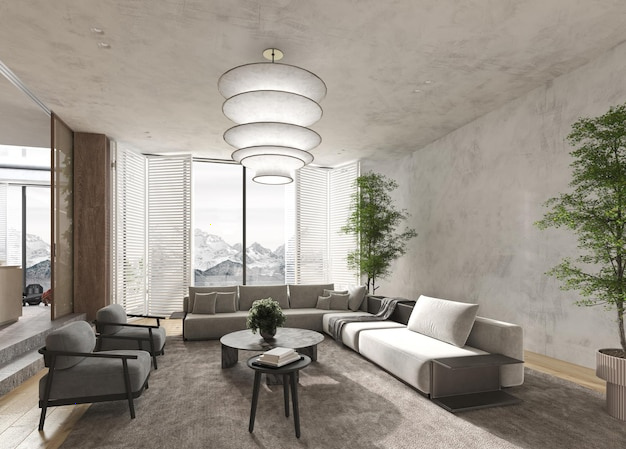
Before choosing furniture or colours, consider what you need each room to do. A living room might also be a workspace, while a bedroom may need space for dressing or storage. List the activities that matter most, then plan the layout around them.
Keep everyday routes clear. In a narrow room, placing larger pieces along the walls can preserve a more open path through the centre. In an awkward layout, arrange furniture to define useful areas rather than trying to force a symmetrical plan.
Choose furniture at the right scale
Furniture should suit both the room and the way you live. A large sofa can dominate a small living room, but furniture that is too small may make the space feel scattered. Measure the room, including doorways and routes between pieces, before buying.
Look for designs that do more than one job where that suits your needs: an extendable table, a storage ottoman or a desk that can also serve as a dressing table. Wall-mounted shelves and bedside units can free up floor space, while furniture with visible legs can help a room feel less crowded.
Make storage part of the design
Clutter can quickly overwhelm a small home, so plan storage early. Use a mix of closed storage for items you do not want on display and open shelving for a few useful or decorative objects. Keeping shelves edited helps them feel intentional rather than busy.
Make use of overlooked areas, such as the space beneath a bed, the wall above a desk or a hallway corner. In rooms with limited floor space, vertical storage can be especially useful. Choose solutions that are easy to reach and maintain; storage that is inconvenient is less likely to stay organised.
Use colour and light thoughtfully
A light, consistent colour scheme can help rooms feel connected, particularly in an open-plan flat or a home with limited natural light. This does not mean every wall must be white. Gentle contrasts, textured finishes and carefully chosen accents can add depth without making the room feel visually crowded.
Make the most of daylight by keeping windows as unobstructed as possible. Light curtains or blinds can offer privacy while allowing natural light into the room. For evenings, use several sources of lighting—such as ceiling, table and wall lights—so the space can adapt to different activities. A mirror placed to reflect daylight or a lamp can also help brighten a darker area.
Create zones without adding walls
When one room needs to serve several purposes, define each area with layout and details. A rug can mark out a seating zone, while a compact desk and task light can distinguish a workspace. Keep the transitions between zones clear, and avoid using too many contrasting finishes or accessories, which can make a small room feel fragmented.
In an open-plan space, repeating a colour or material in different areas can create a sense of unity. The aim is to make each zone useful while allowing the home to feel like one coherent interior.
Add personality with restraint
Small rooms do not need to be plain. Artwork, plants, textiles and personal objects bring warmth, but a considered selection often has more impact than many small decorations. Choose a few pieces you enjoy and give them room to stand out.
Texture can add interest without relying on strong patterns: try combining natural wood, woven fabrics, smooth surfaces and soft furnishings. If you use a bold pattern, repeating one of its colours elsewhere can help it sit comfortably within the scheme.
Review the layout over time
A small-space design is not fixed. As routines change, the best use of a room may change too. Notice where belongings gather, which areas feel difficult to move through and what you rarely use. A small adjustment—moving a chair, changing a storage arrangement or clearing a surface—can make the home work better without a major redesign.
For city homes, the most successful interiors balance practical storage with comfortable, personal details. Woven Home Design can be part of the conversation when considering how a home’s layout, furnishings and finishes work together.